
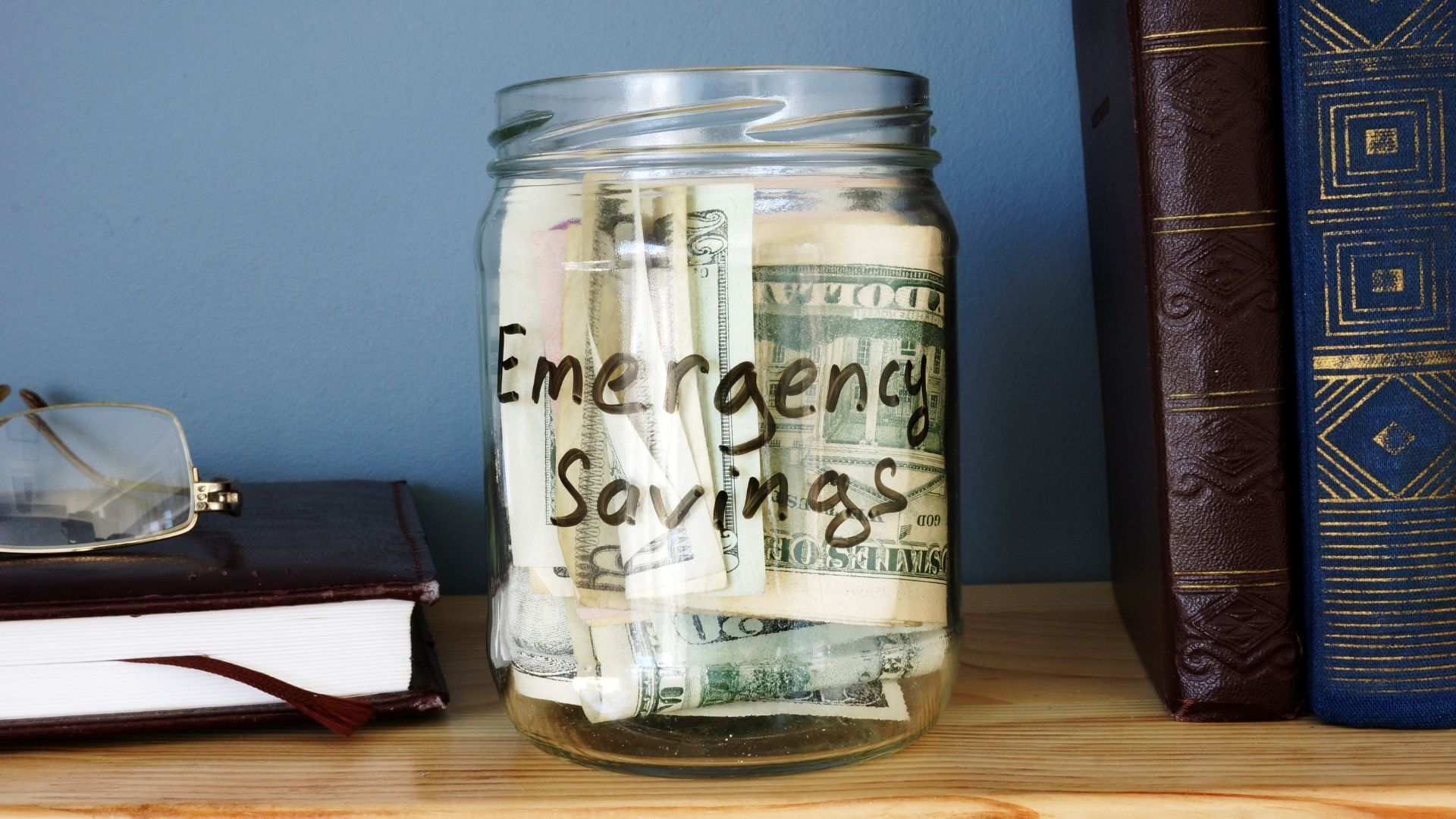
Emergency Funds: How Much is Enough in Today’s Economy?
Life is unpredictable and heading into a new year tends to remind us why an emergency fund matters more than ever. But have you found yourself asking, how much is enough? The answer… it depends on your expenses, income, and a little extra buffer.
Step 1: Start with Essentials
When starting out, don’t aim too big. Start small, by working towards saving 3 to 6 months of essential expenses. Think: housing, utilities, groceries, transportation, insurance, and minimum debt payments.Step 2: Stress-Test Your Buffer
Next you may want to factor in rising costs. Consider adding 5–15% extra in your emergency savings, if and/or when you can. This ensures your fund will hold up even if bills and expenses climb unexpectedly.Step 3: Build it Slowly
Make your savings automatic! Grow your cushion effortlessly simply by setting up an automatic transfer when your paycheck is deposited into your account. If possible, use a high-yield savings account (like CSE’s Money Management account) to save these funds to help you grow it even just a little bit more. Even small contributions add up fast.The Bottom Line:
Don’t stress, you don’t need to save it all at once! Just by reading this blog and starting today means you’re on the right track. We’re confident you will have peace of mind in no time – you’ve got this!Want to keep reading? Start with our Emergency Funds Banzai Article. Which includes links to:
Comments